


When Rossalynn Abbott Ripper of Anne Arundel County in Maryland, was diagnosed with HER2-positive breast cancer, her first thought was not about chemotherapy itself… it was about losing her hair. As an executive running a business and a mother, she faced the daunting prospect of navigating treatment while maintaining a sense of normalcy.
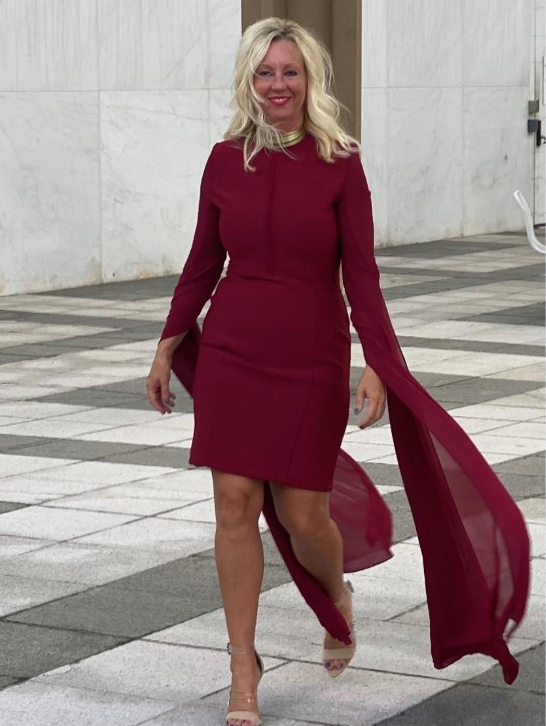
That fear, however, turned into determination when her oncologist introduced her to scalp cooling. Knowing she had the chance to retain some of her hair gave Rossalynn the drive she needed to get through chemotherapy.
Her experience with scalp cooling would eventually turn her into a powerful voice of change, helping to influence proposed state legislation in Maryland.
As a strong believer in the power of positive thinking, Rossalynn approached her treatment with thorough preparation. She studied Paxman’s educational videos and practiced fitting her cap before her first infusion. Although she found scalp cooling cold and initially intimidating, the process quickly became manageable as she adapted to the lower temperature.
Half-way through her chemotherapy regimen with paclitaxel and Herceptin, Rossalynn was overjoyed to see that she had retained her hair.
“At the half-way point, I had no significant hair loss and was so relieved! When I completed chemo, with my hair intact, I was so grateful to Paxman!”
Today, Rossalynn is a strong advocate for scalp cooling, regularly encouraging women in support groups to pursue it as an option, and offering advice. She describes positive thinking as a game-changer that can really influence how you perceive your outcomes.
“If you think chemo and scalp cooling will be a horrible experience, that will be your experience. Likewise, if your attitude is one of positivity and get ‘er done, attitude, that will be your experience.”
Rossalynn advises others not to go down a rabbit hole of negative experiences but to approach scalp cooling with hope and gratitude.
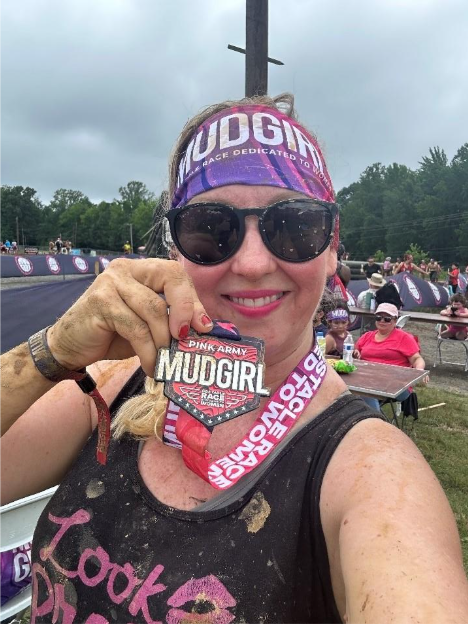
“We can do hard things! Take one day at a time! Be grateful for this hair saving technology!”
Despite her positive outcome, Rossalynn faced a significant barrier: her insurance provider did not cover the cost of scalp cooling. She unfortunately had to pay out of pocket to preserve her hair. An unexpected financial burden which she believes no cancer patient should face.
Driven by such inequity to access, Rossalynn became a strong advocate not just for scalp cooling as an effective treatment, but for legislative change. She boldly testified as one of 21 women at the Maryland General Assembly in support of House Bill 1187 – 10 of which were in-person testimonies, with the remainder submitted in writing. If passed, it would require insurers to cover the cost of scalp cooling in the state. The bill is scheduled for a vote in early 2026 and follows in the steps of a number of states currently debating similar bills. The states of New York and Louisiana have already passed their bills, effective from January 1, 2026, and Rossalynn, committed to helping other Marylanders, is hoping for the same outcome in her home state.
Together, Rossalynn and the 20 other women who testified have proven that, with enough determination and commitment, anyone can become the voice of change.
On October 8th, a podcast by Fierce Healthcare was published featuring Rossalynn and oncologist Dr. Lee. Within the podcast, she spoke about her diagnosis and the worries she had about losing her hair due to chemotherapy.
“As a woman, as a mother, as a businesswoman, our identity is tied to our physical appearance, tied to our hair. Knowing that I would want to keep some form of normalcy for my professional life - for my personal life - my thought was how am I going to do that without having any hair? Would I be viewed as sickly?”
The conversation then turned to scalp cooling in general, with Dr. Lee explaining how scalp cooling works and how it is currently administered in some hospitals, often without insurance coverage available.
“Many insurance companies consider it a cosmetic. I can’t tell you how disappointing that is, to be told that trying to save your hair is cosmetic and not necessary. Largely, the women in these support groups are concerned about their hair. That is the number one topic in these support groups.” - Rossalynn
Rossalynn then shared insights into her advocacy efforts towards the 1187 Maryland House Bill and her preparations to retestify in January 2026, as studies are meanwhile undertaken within the state to determine how many patients in Maryland would be eligible for the treatment and how the bill would impact insurance companies.
Rossalynn’s journey from patient to advocate also caught the attention of Washington D.C.’s leading local news channel, WUSA9, where she and her oncologist Dr. Lee spoke as part of Breast Cancer Awareness Month.
In the news clip, we learn more about Rossalynn’s cancer diagnosis as she demonstrates the Paxman cold cap and explains how scalp cooling offers privacy around chemotherapy and how scalp cooling gave her fortitude she needed on her sickest days to keep going.
In the clip, Dr. Lee also explains the life-saving nature of scalp cooling treatment. In her personal experience, she has encountered patients who don’t know about scalp cooling and have refused chemotherapy treatment out of fear of losing their hair.
Delegate Latoya Congolo, who is sponsoring Bill 1187, also weighed in on the cost analysis requested by insurance companies after the recent hearing.
“Insurance companies currently pay for prosthetic wigs. They range just like the treatments do but for the wigs – on average – about $5,000. The scalp cooling treatment can be about the same cost… there’s not much difference in the cost, but the biggest difference is a woman can preserve her own hair…” – Delegate Latoya Congolo
At Paxman, we’re delighted to see such significant news coverage and look forward to the reintroduction of the bill in January 2025, as Rossalynn and other advocates prepare to retestify.
Hospitals and cancer centers can also do their part to bring about positive change and open access to more patients. Paxman are dedicated to ensuring everyone can access scalp cooling if they wish to do so, and our Insurance-Based Billing Model (IBBM) allows facilities to make the simple switch to bill a patient’s insurer directly. This provides fair payment for healthcare professionals, covers the costs of treatment, and helps patients to flourish during and after chemotherapy, just like Rossalynn.
Visit paxmanusa.com/ibbm to get started.


