


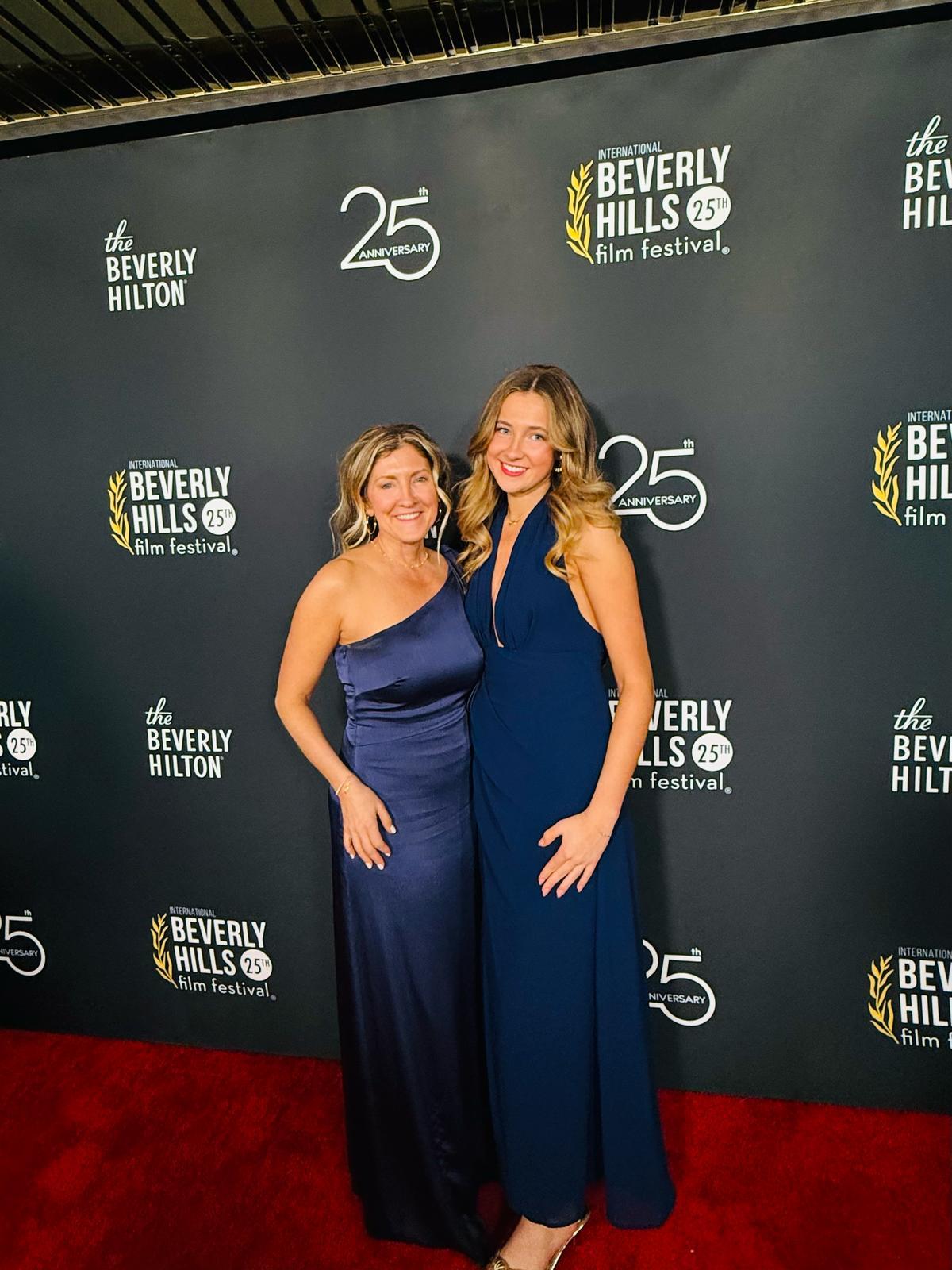
Kimberly James LaBrier’s experience of scalp cooling is the embodiment of hope and resilience in the battle against breast cancer. Undergoing treatment for stage 1 invasive ductal breast cancer with Taxotere and Cytoxan, Kimberly’s journey took a turn toward empowerment when she opted for scalp cooling. She not only retained part of her hair and sense of normalcy during a challenging time, but became a strong advocate for increasing the accessibility of scalp cooling within her state.
Even before her diagnosis, Kimberly had heard about scalp cooling. So, when faced with cancer, she reached out to a close family friend, an aesthetician, who had scalp cooled herself. She offered her advice, which gave Kimberly additional comfort before beginning her treatment with the goal of preserving her identity as a vibrant woman, not defined solely by her illness.
Kimberly fortunately had friends at the oncology centre at Luminis Health in Maryland, to help her feel more supported, alongside her husband who accompanied her. Leah Eidson from Paxman also visited Kimberly’s oncology centre for her first treatment session, where she helped her fit the cap for the first time, explaining to Kimberly and her husband how to properly use it. Along with a couple of tips, such as avoiding the use of heated seat warmers, Kimberly was ready for her first chemotherapy session. This professional guidance made a significant difference in Kimberly’s experience, reinforcing the importance of myth-busting and having well-trained medical staff in the administration of scalp cooling.

Overall, Kimberly estimated that she retained 35–40% of her hair, ensuring that she washed it less frequently to avoid pulling at the roots. While she found creative ways to conceal thinning areas, such as using her own hair or wearing a baseball cap, she also faced mounting financial burdens – all to retain her identity, privacy, and wellbeing.
Unfortunately, Kimberly’s insurance did not cover scalp cooling, nor did it cover the cost of a precautionary wig (over $870). After going through the hardship of cancer and chemotherapy, with the added element of scalp cooling on top to protect and remain strong for her children, a large medical bill was not the return she anticipated. It is a stark reminder of the economic challenges that compound the emotional and physical toll of cancer treatment.
“No one should have to choose between preserving their dignity and affording treatment.” – Kimberly
Her experience has fuelled her advocacy for policy change. Motivated by the desire to ensure that no other patient must choose between preserving dignity and managing financial strain, Kimberly has supported the HB 1187 bill in Maryland. This legislation aims to secure insurance reimbursement for scalp cooling systems, ensuring that all patients can benefit from this technology without the added stress of out-of-pocket expenses.
In 2024, a New York State legislative bill was passed, taking effect from January 1, 2026.
Beyond the clinical and financial aspects of her journey, Kimberly’s story is an inspiring testament to positivity during challenging times. Facing chemotherapy meant confronting not only the physical signs of cancer but also the impact these changes would have on her family. With children aged 18, 15, and 13, she was determined to be a symbol of strength and resilience for them. Her decision to invest in scalp cooling was as much about maintaining her appearance as it was about upholding her role as a strong, positive role model.
Kimberly is also the family friend of Christine Handy, author of the 2016 novel, ‘Walk Beside Me’. It tells the story of a successful woman diagnosed with breast cancer who navigates the challenges involved, finding inner strength and rediscovering her self-worth. The novel was recently adapted into the film ‘Hello Beautiful’, starring actress Tricia Helfer, and premiered at the Beverly Hills Film Festival on April 1, 2025. In both stories - Kimberley’s and Christine’s – we are reminded that a cancer diagnosis does not inevitably lead to an end but can mark the beginning of a transformative journey toward survivorship.
Kimberly LaBrier’s story underscores the critical need for insurance coverage of scalp cooling systems. By adopting an Insurance-Based Billing Model, patients like Kimberly can experience a more dignified journey through cancer treatment without the stress of financial hardship. It will mean that patients who cannot pay out of pocket at all will also be able to scalp cool.
Her advocacy for HB 1187 highlights a broader issue in cancer care: the importance of accessible, compassionate treatment that supports both physical health and emotional well-being.
Her experience is a powerful reminder that with the right support and policy change, the fight against cancer can also be a journey of preserving life’s small but significant details – like the ability to see one’s own reflection in the mirror and smile with confidence, without the financial burden.


