


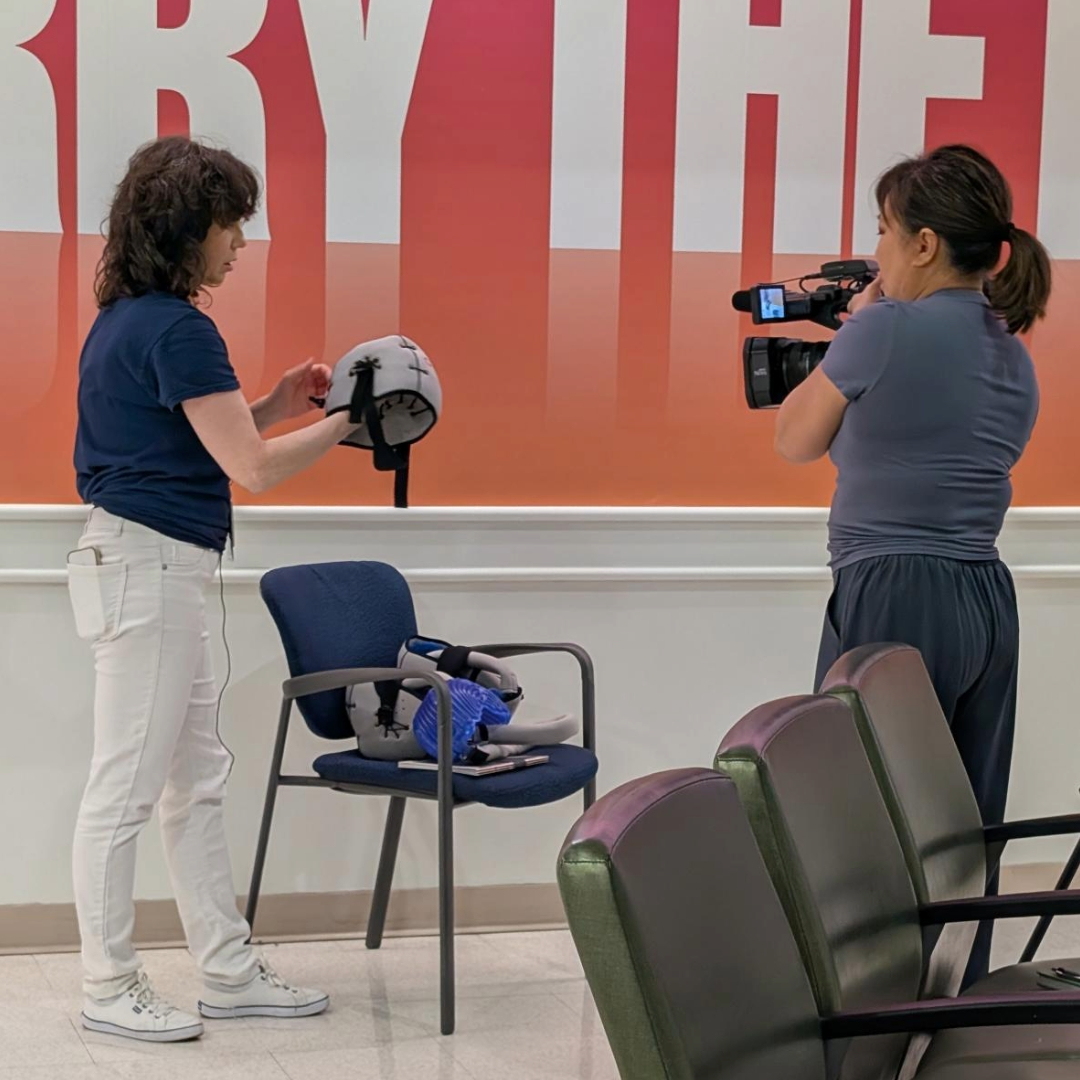
In recent weeks, the issue of access to scalp cooling technology has made its way into the spotlight, thanks in part to media coverage from outlets such as The Toronto Star and CTV News, airing in Toronto and Ottawa.

But the real story isn’t just that we’ve been in the news – it’s why this issue is making headlines in the first place.
For many cancer patients, hair loss is more than cosmetic. It's one of the most feared side effects of treatment. Over 75% of patients report it as a top concern and the trauma of losing hair can contribute to stress, lowered self-esteem, and even social withdrawal.
The Paxman Scalp Cooling System (PSCS) is approved by Health Canada and used in more than 60 countries. Over 100,000 patients globally use the PSCS during their cancer chemotherapy treatment every year.
While scalp cooling has become standard care in many countries, access remains limited in Ontario. Only seven hospitals currently offer the treatment, and it's not yet covered by the Ontario Health Insurance Plan (OHIP). In 2024, just 194 patients were able to access it. This is a fraction of the people who would benefit from this technology, with around 13,000 Ontario women diagnosed with breast cancer alone each year, highlighting the desperate need for change.
Scalp cooling is already included in national clinical cancer care guidelines in countries like the UK, Germany, France, Australia, and the United States. Recently, New York State became the first in the U.S. to pass legislation mandating private insurance coverage for scalp cooling, with more states following suit.
“Across the globe, governments and medical authorities are recognizing the importance of scalp cooling for the wellbeing of patients… The Government of Ontario has shown leadership when it comes to patient care. In its cancer plan, it cites ‘improving the patient experience’ and ‘improving cancer outcomes and quality of life for Ontarians’ as two of its five main goals. That’s why we’re calling on Ontario to ensure coverage so that everyone has equitable access to this life-altering treatment.”
– Richard Paxman OBE, CEO of Paxman
We’re working to make sure that Ontario, and Canada as a whole, is not left behind. We can’t do it alone and news stories like this grow awareness of the issue, calling on policymakers to take action.
In the CTV News story, we hear from Kateryna Zanyk, who bravely undergoes chemotherapy and scalp cooling treatment during the interview at the Princess Margaret Cancer Centre, in addition to Adina Isenberg, a former patient grateful for the chance to keep her hair.
“To this day, whenever I have a salon appointment, I send a selfie and say, ‘thank you’. I wanted to look like myself as much as I could. When somebody gets a cancer diagnosis we feel a complete loss of control.”
– Adina
These women, who have experienced the both the toll of cancer and the life-altering treatment of scalp cooling, spoke to news outlets about keeping their hair and retaining their identity, dignity and composure.
“Scalp cooling is a miracle technology that gave me confidence as I went through treatment. I’m very lucky that I could access it, and it is my hope that all cancer patients in Ontario will be able to as well.”
– Adina
Adina, who has become an advocate for scalp cooling in her role as a professor in medical education at Harvard Medical School was 40 years old with two young sons when diagnosed. Speaking to both CTV News and The Toronto Star, she has been at the forefront of the movement for change in recent months.
In early May, she was delighted to finally meet Richard Paxman. After reaching out five years ago with words of gratitude via email, she shared the news that she and her husband had created a charitable fund to help make scalp cooling accessible.
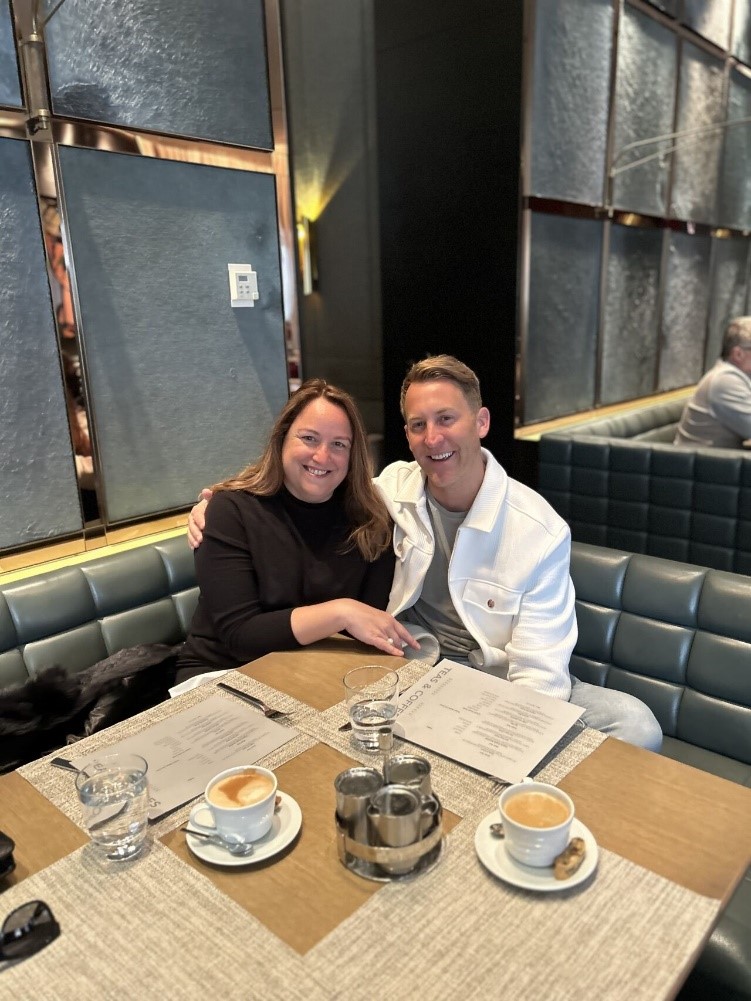
She expressed how much saving her hair during chemotherapy enabled her to work and keep her disease private, determined to do something to help.
In the recent coverage, we also hear from Dr. Ellen Warner, a senior oncologist at Sunnybrook Odette Cancer Centre, who has seen patients reject chemotherapy, worried about hair loss. She highlighted the huge out-of-pocket expense attached to cancer treatment, where neither wigs nor scalp cooling are covered under OHIP.
Warner also references the risk of long-term hair loss and patchy regrowth with taxotere drugs, leaving women with the need to use a wig for the rest of their lives – a devastating side effect that scalp cooling can prevent. The centre currently has 5 scalp cooling systems and is passionate about change within Ontario.
In the recent coverage, we also hear from Dr. Ellen Warner, a senior oncologist at Sunnybrook Odette Cancer Centre, who highlighted the huge cost attached to cancer treatment. The centre currently has 5 scalp cooling systems and is passionate about change within Ontario.
“I wish more of my patients could get scalp cooling. Losing hair leads to stress, struggles with body image and social withdrawal. My patients who have had scalp cooling have seen real benefits. It improves their experience and quality of life.” – Dr. Warner
Fernanda Domingues, who had great hair retention with scalp cooling, echoes Dr. Warner’s wish for increased access to scalp cooling in her interview with The Toronto Star. Diagnosed at the age of 49 with two young children, she spoke about achieving great results, despite a change in medication. Retaining her hair gave her motivation during the “dark moments” of her recovery and helped reassure her young children:
“It made it easier for my kids to believe that, ‘yeah, things are bumpy right now, but Mommy’s going to be fine… it made it easier for me to believe that, too, because I recognized myself in the mirror.”
– Fernanda
The call for change is not just professional – it’s deeply personal for so many members of the Paxman team who have been affected by cancer and the associated hair loss.
Harry Goodman, General Manager of Paxman’s Canadian operations spoke to CTV about the urgent need to expand scalp cooling access. He highlighted a striking statistic for the people of Toronto and Ottawa; 10% of patients refuse chemotherapy due to the fear of losing their hair.
His passion for improving patient care and access to scalp cooling stems from his own family’s experience. When his wife underwent chemotherapy and lost her hair, Harry experienced the trauma alongside her, when their grandson didn’t recognise her.
This experience drives Harry’s passion for ensuring that others don’t have to go through the same trauma, and that no one should have to choose between lifesaving treatment and their sense of self.
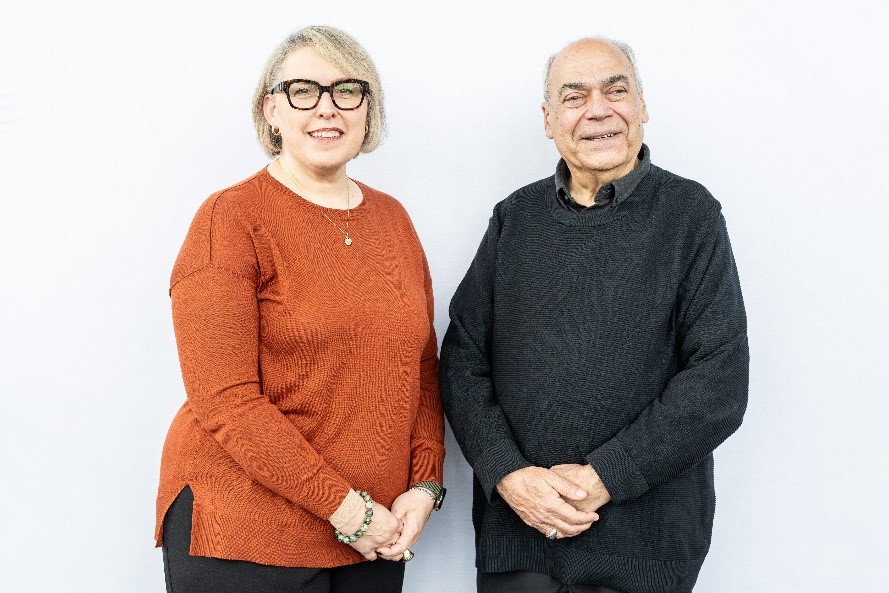
We’re honoured to have been part of recent public conversations about equitable cancer care, and we will continue working with healthcare providers, patient advocates and policymakers to bring about change. Everyone undergoing chemotherapy deserves the chance to retain their sense of self, and scalp cooling helps make that possible.
To learn more about access to Scalp Cooling in Canada, click here.


