


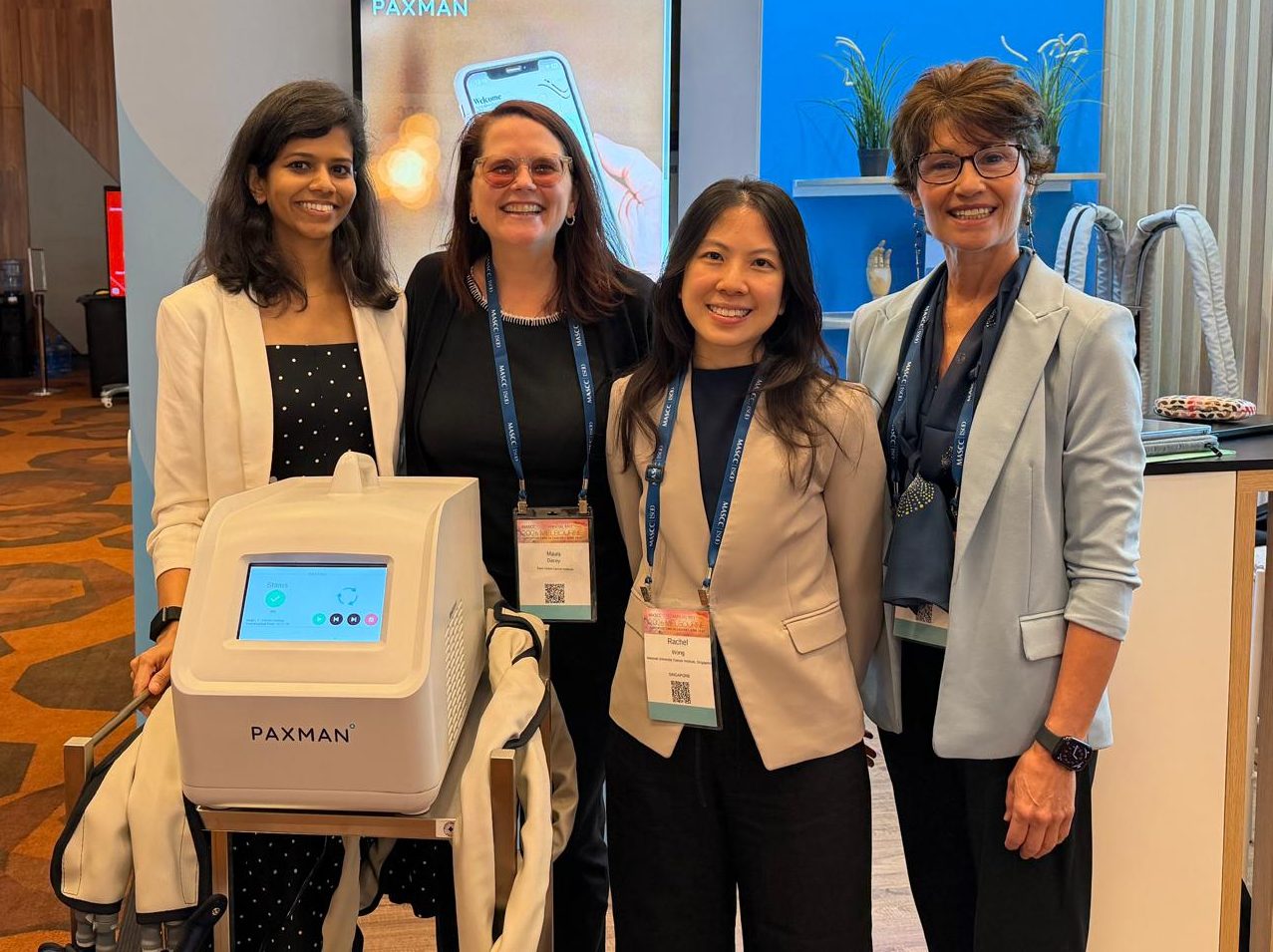
The Paxman team was proud to join the global oncology community in Melbourne for the 2026 MASCC/ISOO Annual Meeting. Bringing together clinicians, researchers and industry partners from across the world, MASCC continues to play an important role in shaping how the challenges of cancer treatment are approached, particularly when it comes to managing side-effects and improving patient experiences.
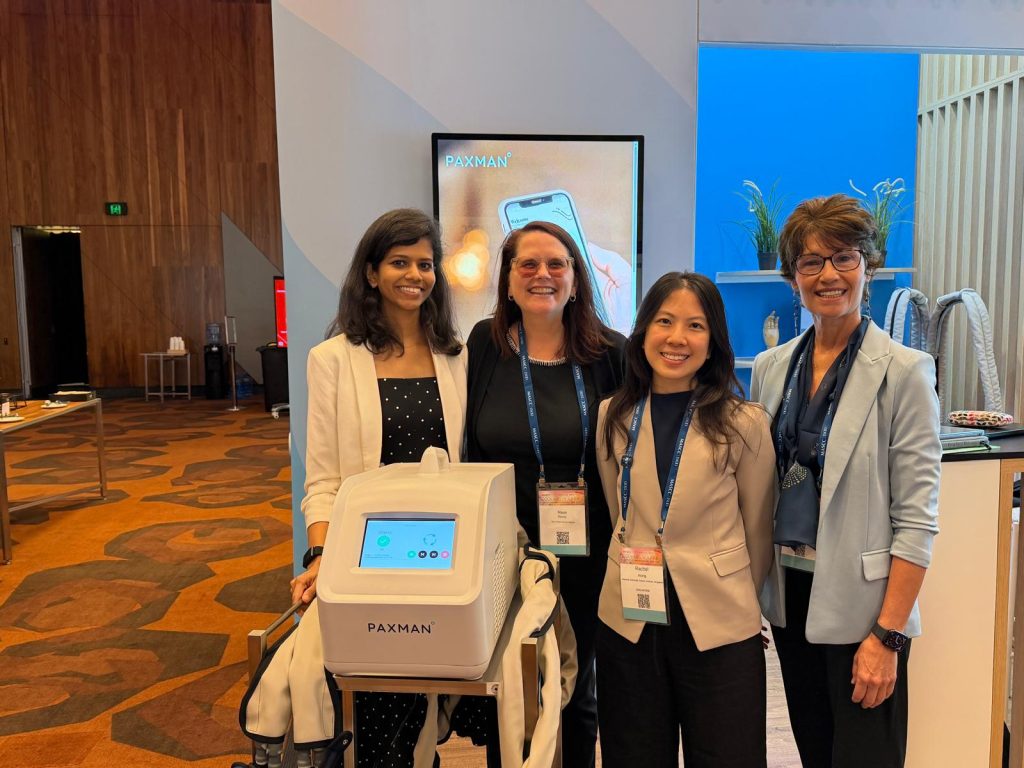
A key highlight for Paxman at MASCC 2026 was the presentation of new data relating to the prevention of chemotherapy‑induced peripheral neuropathy (CIPN), including our cryocompression technology. This ongoing work reflects our focus on developing innovative approaches to managing some of the more challenging side-effects associated with cancer treatment.
Presented by Dr Rachel Wong, Medical Oncology Consultant at the National University Cancer Institute in Singapore, the session shared interim results from a Phase II study involving patients receiving taxane-based chemotherapy. The findings explored the safety and efficacy of the device, alongside important considerations such as tolerability, rates of dose reduction, and overall patient experience.
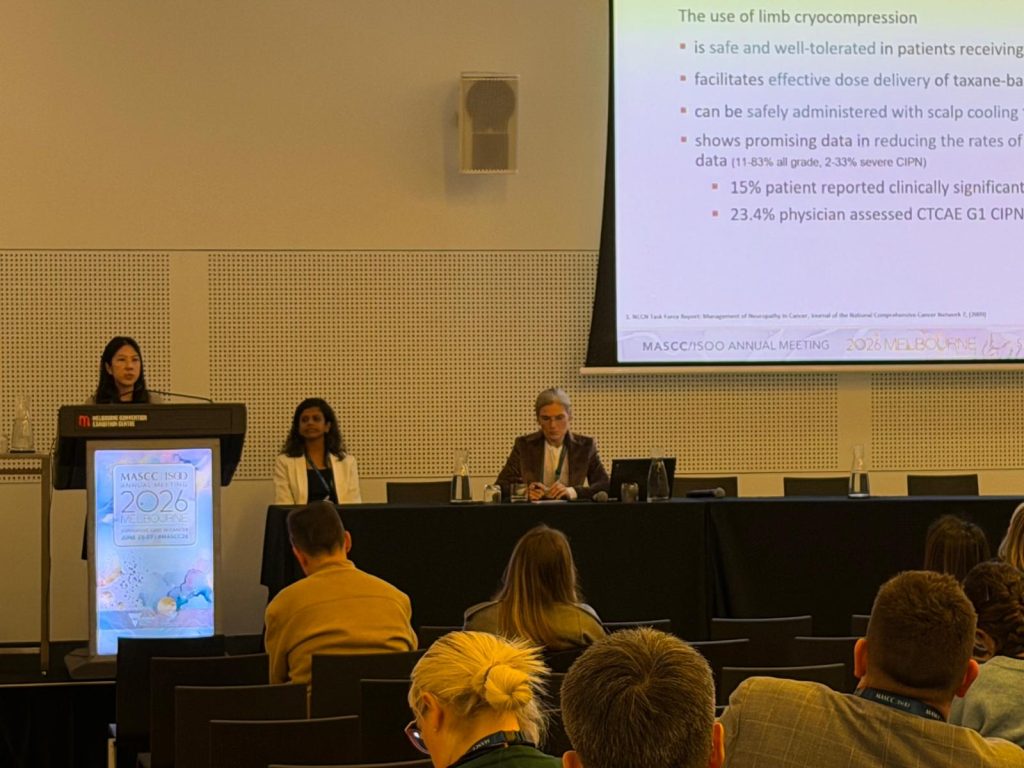
Dr Wong was joined by Dr Aishwarya Bandla, Clinical Innovation Manager at Paxman, who provided further insight into the broader clinical programme supporting this work. This included the design and objectives of a Phase III, three-arm, multi-centre randomised study initiated in 2023 and supported by the National Cancer Institute in the United States.
This ongoing trial is expected to build on the Phase II findings and provide a larger body of evidence to assess clinical value and effectiveness in preventing chemotherapy‑induced peripheral neuropathy.
Together, these developments represent an important step forward. They reflect a continued investment in research and a commitment to developing solutions that address some of the more complex and difficult side effects associated with cancer treatment, like CIPN.
As always, MASCC provided an opportunity for meaningful conversations with clinicians, researchers and partners from across the world. Across the three days, our team spent time engaging in discussions around real-world challenges, sharing insights, and learning from others who are equally focused on improving outcomes for patients.
Our presence also included the presentation of two posters, both of which contributed to ongoing scientific dialogue at the meeting:
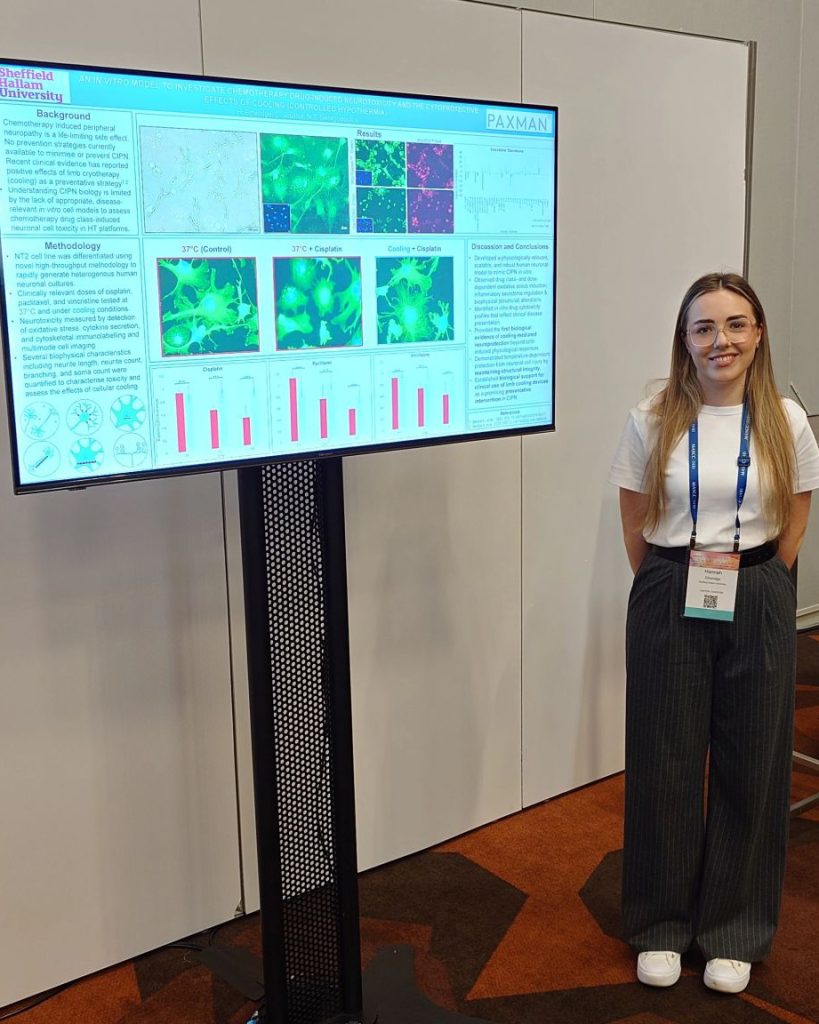
The first explored the development of a novel in vitro model designed to investigate chemotherapy drug-induced neurotoxicity. By combining advanced neuronal modelling with imaging and molecular techniques, the study offers a new way to better understand the mechanisms behind peripheral neuropathy, while also examining the protective potential of controlled cooling. This type of work helps to bridge the gap between laboratory research and clinical application, supporting a more informed approach to symptom management.
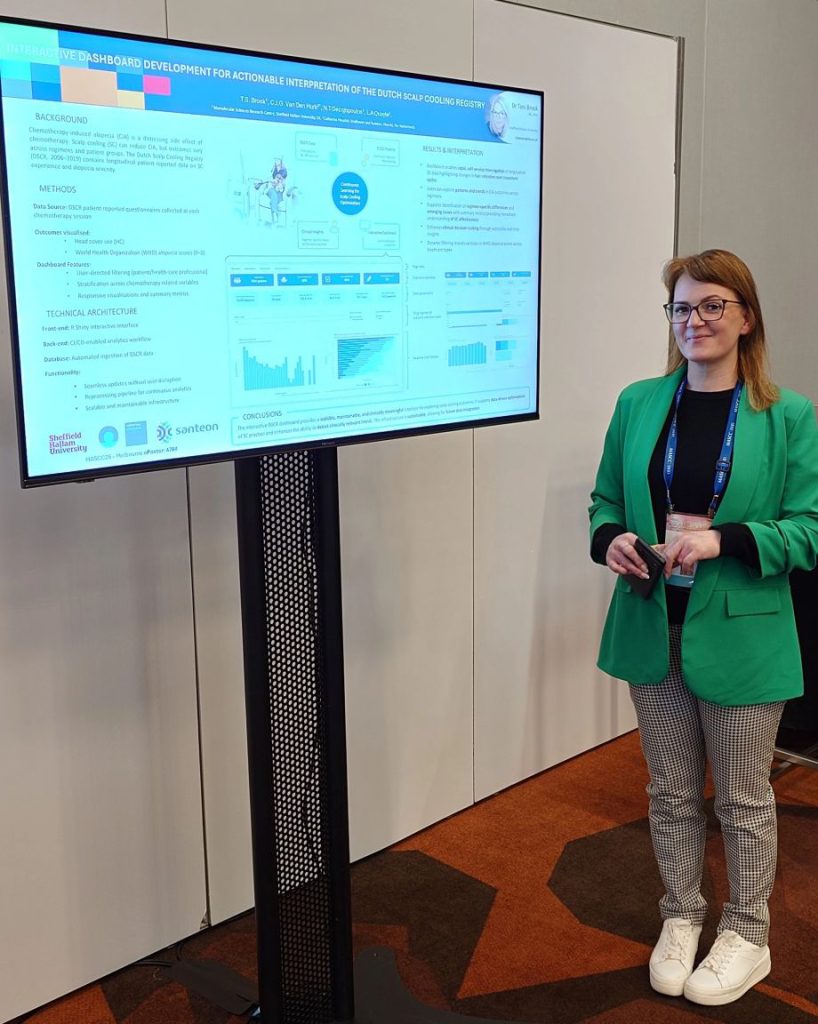
The second focused on the development of an interactive dashboard built around data from the Dutch Scalp Cooling Registry. This tool has been designed to make complex clinical data more accessible, enabling clinicians to explore patient outcomes across different treatment regimens. By supporting clearer interpretation and more informed decision-making, the dashboard represents a practical step towards improving how scalp cooling is implemented and discussed in clinical settings.
Both pieces of research reflect a broader commitment to innovation, not only in device development but also in how data and evidence are used to support clinicians in practice.
Spending time in Melbourne with colleagues and peers from across the industry offered a valuable opportunity to pause and reflect on the direction of travel. There is a clear sense that the field is moving forward, with increasing collaboration and a shared understanding of the importance of addressing treatment-related side effects in a more structured and evidence-driven way.
Events like MASCC provide the space for these conversations to develop, bringing together different perspectives while maintaining a clear focus on improving patient outcomes.
As the landscape continues to evolve, the importance of innovation in side-effect management will only grow. From ongoing clinical trials to the development of new technologies, there is a clear opportunity to make a meaningful difference in how patients experience treatment.
For Paxman, MASCC 2026 reinforced the role we can play in that progress. Through continued research, collaboration and a focus on practical solutions, we remain committed to leading innovation in this space and supporting clinicians in delivering the best possible care to their patients.
If you’re interested in continuing the conversation, we’ll be exhibiting at ESMO/EONS in Madrid, later this year. We’d encourage you to attend our symposium, which is taking place from 13:00 – 14:15 on Monday 26th October, called Addressing Chemotherapy-Induced Peripheral Neuropathy with Cryocompression: Protecting Function and Quality of Life for patients.


