


May marks a special anniversary: 25 years of scalp cooling progress in the Netherlands, and 25 years of partnership between Paxman and Incomed – our Benelux distributor. Over that time, scalp cooling has transformed from a little-known option into a widely available part of supportive cancer care, giving more people the chance to preserve hair during chemotherapy.
Incomed, now our long-standing distributor for the Netherlands, Belgium and Luxembourg (Benelux), began working with Paxman after an early meeting with founder, Glenn Paxman, in Antwerp.
Over the years, that relationship has been strengthened by people dedicated to improving patient care on both sides. At Incomed, the van den Wildenberg family has played a central role to widening access to scalp cooling for patients: Marco van den Wildenberg as founder, Jeroen van den Wildenberg as the current Director, and Joris and Jasper van den Wildenberg supporting marketing and communications. Across Paxman, many colleagues have contributed to the partnership and shared mission, including Glenn Paxman, Richard Paxman and David Heathcote.
Twenty-five years ago, only a handful of oncologists recognised the potential of scalp cooling. Even arranging an appointment to discuss it could be difficult. The prevailing view was that scalp cooling was ineffective, burdensome for patients and staff, and potentially unsafe due to concerns about scalp metastases.
Those concerns were understandable – some early studies would appear to reinforce them, and there was limited published evidence to provide reassurance. Change came through the commitment of clinical pioneers and researchers, including Drs. Wim P. M. Breed and Corina J. G. van den Hurk, who helped build the scientific foundations that modern scalp cooling is based on. Richard Paxman, CEO of Paxman, has even described these two individuals as two of the most influential pioneers in scalp cooling worldwide.
As evidence grew, misconceptions were gradually refuted and clinical confidence increased, supported by practical advances such as clear, consistent protocols for day-to-day use.
Once the risk of scalp metastases had been put into the proper perspective and scalp cooling’s evidence base strengthened, interest grew rapidly. Incomed began involving patients in meetings and exhibitions, and soon patients were actively requesting scalp cooling before starting chemotherapy. For many, hair preservation was not a “nice to have” but an important part of maintaining identity and wellbeing during treatment.
Some patients even chose to switch hospitals in order to access scalp cooling.
A particularly memorable milestone came in 2006, when Incomed joined the Roparun Foundation, an organisation that raises funds through relay runs to support people living with cancer. That same year, the Foundation chose to focus on scalp cooling, resulting in the donation of 25 scalp cooling systems to hospitals across the Netherlands and Belgium. This proved to be a major breakthrough, and scalp cooling became an indispensable cornerstone for hospitals when it came to helping patients cope with chemotherapy-induced hair loss.
As hospitals saw the benefits, many began highlighting scalp cooling as part of their chemotherapy support on their websites and in local media, often featuring photos and stories of the first patient treated. This visibility was especially powerful when a hospital was first in its region to offer the service. In practice, the purchase of a system frequently coincided with treating the first patient, with nurse training delivered during that initial chemotherapy session. This helped teams build confidence quickly and embed scalp cooling into everyday workflows.
After 25 years of steady progress, scalp cooling is now widely available across the region, and particularly in the Netherlands, where the service has become embedded in routine cancer care.
The Netherlands is also home to one of the world’s largest real‑world evidence programmes in this field: the Scalp Cooling Registry, which has tracked outcomes for thousands of patients across dozens of hospitals.
Dr. Corina van den Hurk, Senior Researcher at Santeon Hospitals in Eindhoven, is one of the researchers behind the Scalp Cooling Registry. A study which collected 13 years’ worth of real-world data across 68 hospitals in the Netherlands.
“We have collected data from more than 7,000 patients with many types of chemotherapy… We wanted to be able to group the types of chemotherapy and the differences for patients with scalp cooling (those who had a success or poor results).” – Dr. Corina van den Hurk
Thanks to the work of Dr. Corina van den Hurk, Dr. Wim P.M. Breed and their colleagues, thousands of patients have been able to make informed choices about scalp cooling, with clinicians able to set their expectations based on robust data.
“Looking back on 25 years of collaboration, we can be proud of how far we have come,” Incomed shared. “What once was a niche and often questioned approach has become an essential part of supportive oncological care. Today, scalp cooling is widely available to patients undergoing chemotherapy, helping to improve their quality of life.”
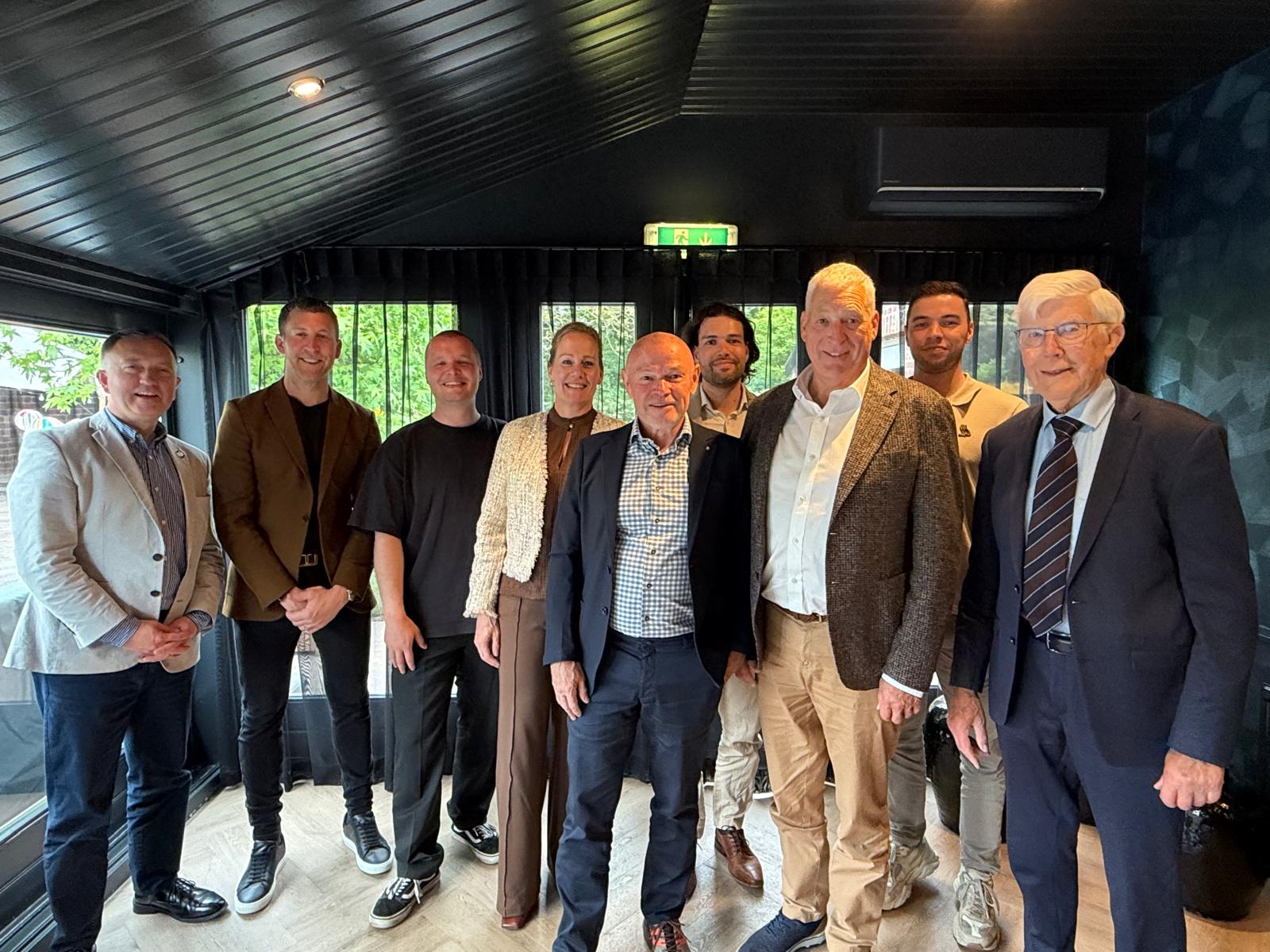
Glenn Paxman, Richard Paxman, and David Heathcote meet with pioneers Dr. van den Hurk, Dr. Breed, and the Incomed team to celebrate 25 years of scalp cooling.

As we celebrate this milestone in the Netherlands and across Benelux, we’re focused on what comes next: continuing to support clinical teams with training and best practice, strengthening the evidence base, and working with partners to expand access so that more people can benefit from scalp cooling, regardless of where they receive treatment. Thank you to everyone who has helped drive this progress over the last 25 years.


