


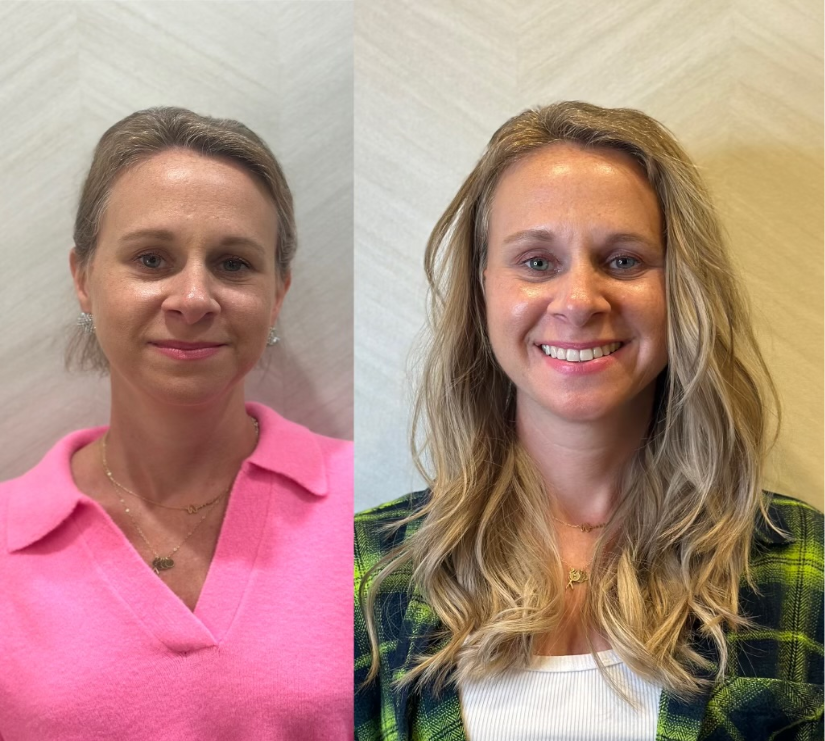
It is well established that offering scalp cooling in conjunction with chemotherapy treatment can lead to hair retention, but many clinicians often don’t realise that it can also promote faster and healthier regrowth, even in patients who experience hair loss as a result of their treatment. The obvious aim of scalp cooling is to help patients retain their hair- or as much of it as possible, but retention rates can vary greatly from drug regimen to drug regimen as well as from patient to patient.
Many clinical studies in recent years have greatly expanded on early anecdotal evidence and proven that scalp cooling can promote faster, healthier regrowth.
In 2019, a study entitled “Efficacy of Scalp Cooling in Preventing and Recovering from Chemotherapy-Induced Alopecia in Breast Cancer Patients: The HOPE Study’, was conducted in Japan. This study concluded that scalp cooling resulted in faster recovery of hair volume within 12 weeks of chemotherapy, even in patients where scalp cooling had failed to prevent alopecia.
A study conducted in 2020 in India, entitled ‘Randomized Control Trial of Scalp Cooling for the Prevention of Chemotherapy Induced Alopecia’ showed that patients who had used scalp cooling saw significant hair regrowth at both 6 and 12 weeks after their final chemotherapy treatment.
Analysing the numbers further, the study found that:
These are just two data-driven examples that demonstrate the regrowth benefits of scalp cooling. For more studies around regrowth, visit our Scalp Cooling Studies Library with over 100 clinical study papers.
There is no doubt that losing hair as a result of rigorous chemotherapy regimens can be psychologically traumatising for patients. However, there are numerous examples to support the idea that persevering with cold capping preserves the hair follicles and encourages hair regrowth even in patients who have not finished their treatment.
It is important to realise that scalp cooling also has a very “human” impact on patients, including hair regrowth.
Claire, a breast cancer patient from Bath in the United Kingdom, lost a great deal of her hair while undergoing chemotherapy. However, continuing with cold capping meant that her hair “grew back really quickly” after treatment, helping her continue life as normal.
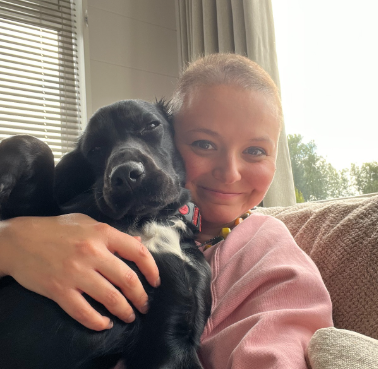
Clare was really pleased with her regrowth and overall scalp cooling experience. She reflects, “it’s grown back really quickly. I am glad I did scalp cool throughout - I found it comfortable and I think it has helped.”
Unfortunately, hair loss is one of the most feared side effects of cancer treatment. Robyn Fink, another breast cancer patient from New York, told Paxman that losing her hair was “one of the most devastating parts of going through treatment”.
There were times in her treatment where Robyn wanted to give up on cold capping but remained thankful for persisting with the process. Inspired by seeing other patients’ success with scalp cooling, Robyn explains:
“I saw other people’s success from the cold cap. I kept going and it paid off for me. My hair started growing back a month before I ended chemo”. In order to reduce the possibility of hair loss during chemotherapy, or protect remaining hair for patients, some good advice may be to use a gauze or a theatre cap to protect exposed scalp areas.”
While scalp cooling has been proven to help reduce hair loss, it is not guaranteed to be a success for every individual, but what success looks like is different for everyone.

For example, Emma, a breast cancer patient from the United Kingdom, unfortunately did not manage to retain her hair through scalp cooling. However, despite her hair loss, Emma was grateful for the regrowth she has experienced.
It may be tempting to advise patients to stop scalp cooling after significant hair loss, but it is always important to give patients a high level of independence during their scalp cooling journey and ensure they’re aware of the regrowth benefits as well. Every patient is an individual navigating a cancer diagnosis in their own way, and some may wish to see scalp cooling through to the end of chemotherapy for these specific regrowth benefits.


