


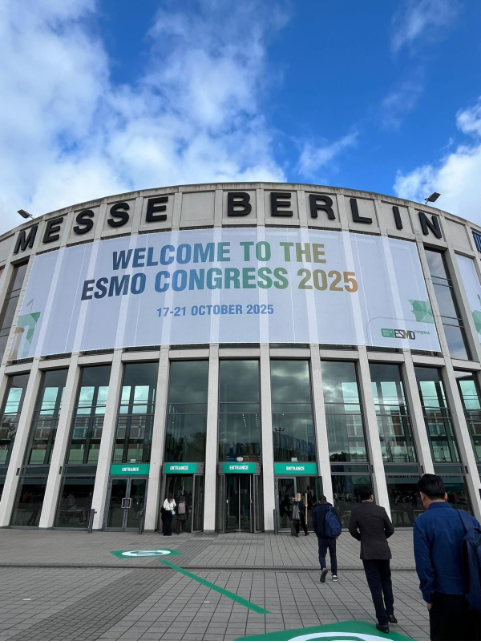
From 17th to 21st October, the global oncology community assembled in Berlin for the annual ESMO and EONS congress, one of the world’s leading oncology congresses, showcasing cutting-edge discoveries, innovative treatments, and collaborative approaches that are shaping the future of cancer care. Attendees have the opportunity to learn from internationally renowned experts, participate in thought-provoking discussions, and connect with peers driving advancements in cancer diagnosis, treatment, and survivorship.
The congress also provided a platform to explore emerging supportive care strategies. In particular, delegates received new data on Paxman’s limb cryocompression device to prevent chemotherapy-induced peripheral neuropathy (CIPN) via the industry-sponsored symposium, “Strategies for Chemotherapy-Induced Side-Effect Management: Preventing CIPN with Cryotherapy.”
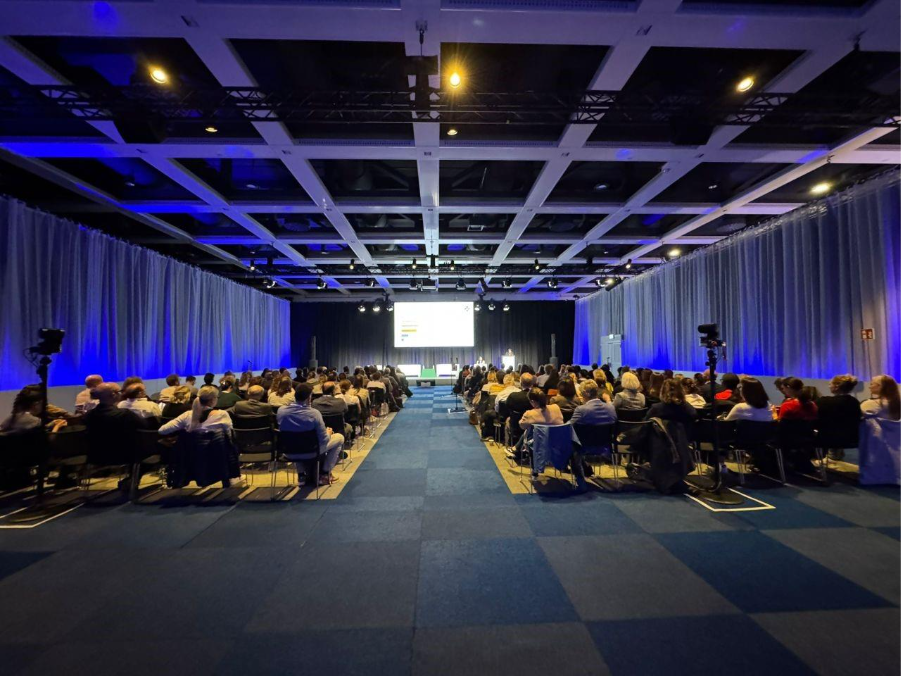
Interest in this currently unmet clinical need was significantly high, bringing together 200 in-person delegates to fill the auditorium. The 45-minute session was also streamed live for the 30,000 ESMO/EONS delegates to watch.
Chaired by Mary Tanay, RN, PhD, Consultant Nurse in Genomics at Berkshire Cancer Centre, the symposium featured presentations from leading oncology experts:
Rewatch all of the speaker presentations from the symposium here.
During the session, Dr Hope Rugo presented the latest results from the ongoing Phase II study in Singapore, evaluating the safety and efficacy of Paxman’s novel wearable limb cryocompression device for preventing CIPN.
This single-arm Phase I–II study, conducted across multiple sites in Singapore, is designed to assess whether controlled limb cooling during chemotherapy can reduce the incidence and severity of peripheral neuropathy. The optimal cooling temperature of 11°C, with a pressure of 5–15 mmHg, was determined from an earlier pilot study.
In this phase of the research:
Physician-Assessed CIPN Outcomes at the end of treatment, using the Common Terminology Criteria for Adverse Events (CTCAE):
Using the EORTC QLQ-CIPN20 sensory neuropathy subscale, only around 15% of patients reported clinically significant CIPN, defined as an increase of ≥3 points compared to baseline.
These findings demonstrate that limb cryocompression at 11°C is safe, well-tolerated, and effective in reducing the incidence of taxane-induced CIPN, with rates of Grade 2 neuropathy markedly lower than historical data — where up to 30% of patients typically experience this severity.
Dr Rachel Wong Su Jen, Medical Oncology Consultant at the National University Cancer Institute, Singapore, and one of the key-figures of the trial commented:
“CIPN remains one of the most challenging and persistent side effects of cancer treatment experienced by patients. We are proud to contribute to advancing research in this important area of supportive care and are encouraged by the promising results emerging from our Phase I–II study.”
Commenting on this hugely successful symposium, Paxman CEO, Richard Paxman OBE said:
“We were delighted to be joined by these four influential speakers at EONS18/ESMO this year to highlight the importance of preventing chemotherapy induced peripheral neuropathy.
This most up-to-date data from our ongoing study in Singapore with our partners at the National University of Singapore was exciting to share. Looking at historical data just in the weekly taxane setting where we would typically see up to 30% grade 2 CIPN compared to our study showing only 2.5% gives me confidence in our approach. We must continue to make progress to ensure this intervention can be accessed by patients around the world, reducing the risk of this debilitating side effect. We are grateful to our partners in Singapore and would also like to thank our speakers for joining us in Berlin.”
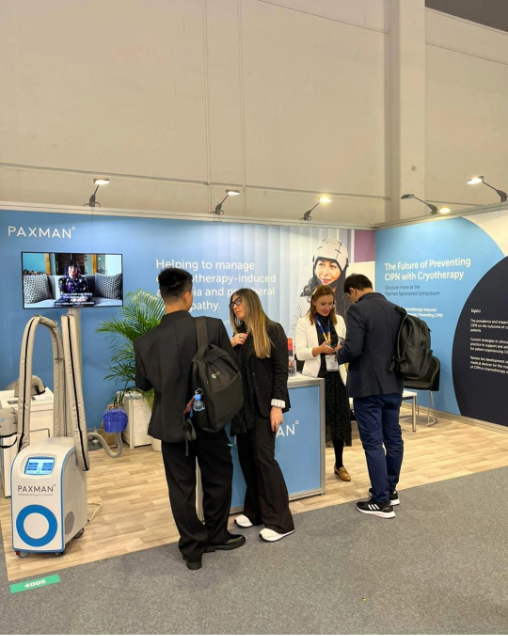
Paxman also exhibited for the duration of the congress, with visitors to the stand given the opportunity to fit a cap and try scalp cooling for themselves. As always, it was a pleasure for the Paxman team to meet delegates and open up discussions around chemotherapy side-effect treatment.
Mary Tanay RN, PhD, who chaired the symposium, also presented a poster abstract on the co-design of a behavioural intervention for mitigating the impact of chemotherapy-induced peripheral neuropathy. The study aimed to collaboratively develop an evidence-based and theoretically grounded behavioural intervention to mitigate the impact of CIPN symptoms on patients' quality of life.
We were also delighted to see more data released from The Scalp Cooling Registry, presented by Toni Brook, PhD, examining patient outcomes related to the number of scalp cooling sessions in various types of chemotherapy.
Based on patient-reported data which showed decreased insecurity and improved satisfaction after prolonged scalp cooling use, the abstract concluded that patients who retain their hair after initial chemotherapy exposure should be encouraged to continue with the treatment even after suboptimal cooling experiences.
The CIPN data presented at EMSO 2025 / EONS18 is just the beginning of a new chapter in supportive cancer care that helps meet clinical needs and further improves the quality of life for chemotherapy patients. With trials still ongoing, we look forward to sharing further data and insights in the future.
Missed us at ESMO 2025 / EONS18? Visit our events page to catch up with us another time, or contact us directly for more information.


