UNCONTROLLED. This page is currently in review – please do not share with any additional parties.

In between their scalp cooling treatments, it is really important that patient’s look after their hair, and tailor it to reflect their hair type.
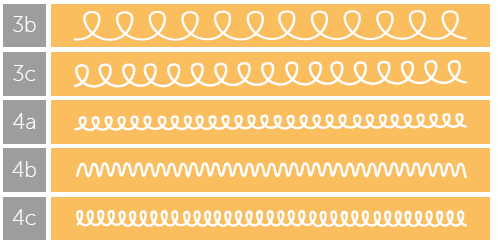
The diagrams to the right will help patients identify which hair type they have. This is based on their natural hair texture – so how it would naturally look if it was unstyled and left to its own devices when drying.





It was suspected that scalp cooling resulted in faster regrowth for a long time, and now there are several clinical studies to confirm this.
Alopecia is measured in grades – grade 0 = no hair loss, grade 1 = <50% hair loss, grade 2 = >50% hair loss
A study conducted in Japan in 2019, concluded that scalp cooling resulted in faster recovery of hair volume within 12 weeks of chemotherapy, even in patients where scalp cooling failed to prevent chemotherapy-induced alopecia.
This was particularly important as the patients in the trial received TC (docetaxel and cyclophosphamide), or AC (doxorubicin and cyclophosphamide) both of which are particularly challenging regimens for hair retention.
Regrowth results:
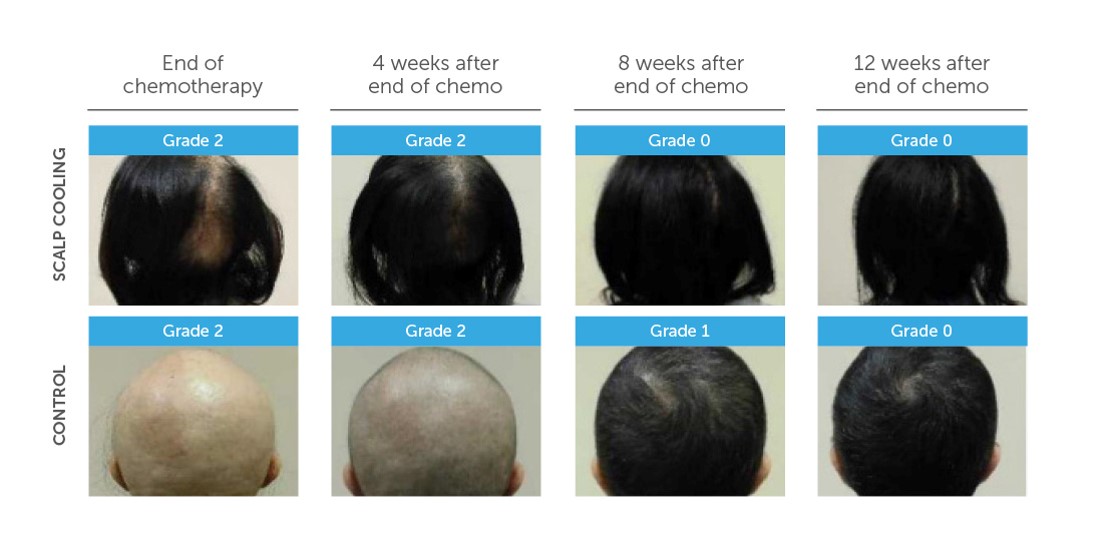
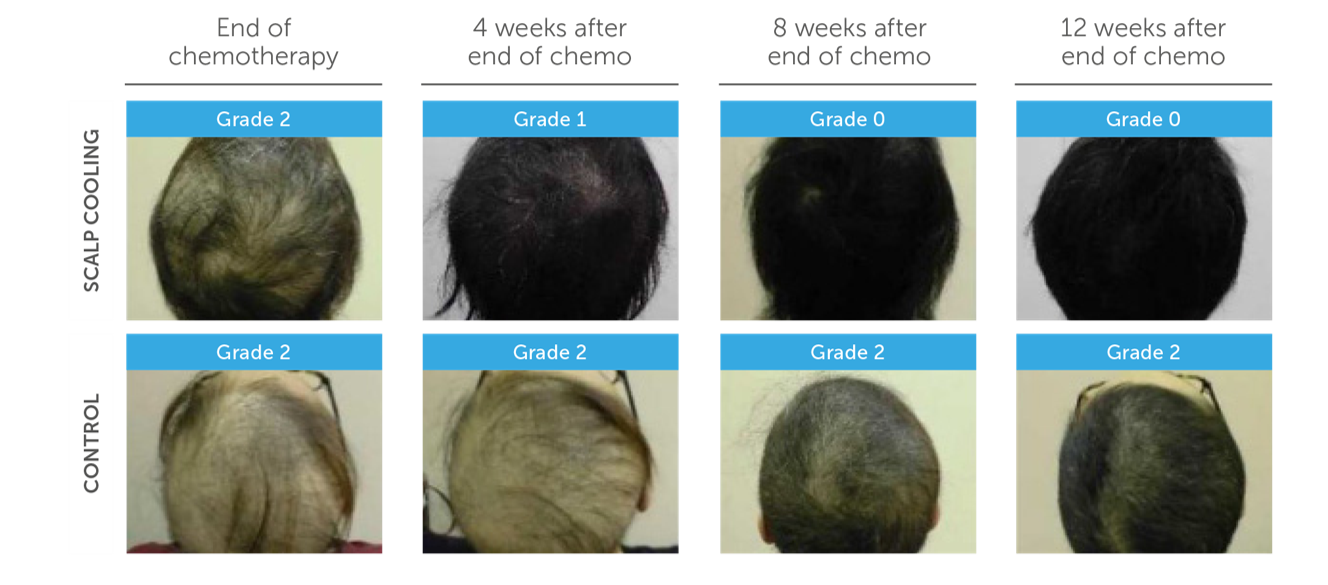
This is why we would always encourage patients to continue to scalp cool, even if they do see a lot of hair loss.
Those patients who are facing anthracycline-based regimens may see the potential retention rates with their treatment plans and decide that scalp cooling isn’t for them, but many patients are now citing increased hair regrowth as motivation enough to scalp cool, and that any hair retention is a bonus.