


Cancer and chemotherapy have a devastating impact on a patient. Alongside the challenges the cancer presents, the patient must contend with the side effects of the chemotherapy. These are not just physical and biological side effects resulting from cytotoxic drugs, but also emotional and psychosocial challenges that ripple through their lives.
With our experiences of scalp cooling, we see how much chemotherapy-induced alopecia can affect a patient in their daily life: eroding their identity and privacy, alienating them from others, causing stress, and negatively affecting their mental health. Hair loss also carries cultural and religious implications for some patients, compounding these challenges.
Another significant problem, one which hair loss can exacerbate, is the ripple effect on families and children.
While it may be difficult to truly understand the toll of cancer and chemotherapy without experiencing it firsthand, those closest to the patient often feel the ripple effects most intensely. The fear, grief, and distress of watching a loved one suffer can be just the tip of the iceberg for families. A diagnosis often impacts emotional dynamics, financial stability, daily routines, and places strain on relationships.
While healthcare systems focus on treatment to remove the cancer, it is important to acknowledge the knock-on effects cancer has on the family, particularly on a patient’s children, whether they are young or grown.
A child, regardless of their age, can be affected by their parent’s cancer in a variety of ways. These manifestations are likely to be different depending on their age and the nature of the relationship with their parent undergoing cancer treatment.
Young Children
Children of a young age are likely to feel fear or confusion, especially when there are visible changes to their parent’s appearance which, for them, have no apparent reason. Hair loss, a common side effect of chemotherapy, can be particularly unsettling for children. Full awareness in children can be limited and without an age-appropriate explanation, young children may form their own misconceptions, which can lead to a range of various psychosocial, emotional, and behavioural problems. A 2023 study by Alexander et al. found that children experience heightened levels of worry and distress that is often persistent and intrusive. Children can also feel disconnected and unable to fully express themselves, with worries about death and the unknown.i
This may subsequently lead to a parent’s distress as they determine how best to protect their child.
Adolescent Children
Adolescents may be mature enough to grasp the complexities of cancer and treatment, but they are also at a stage of significant personal development. In adolescence, children are going through education, an important, key stage in their lives which can have huge implications for the future.
They may face additional stress if they need to take on caregiving roles, which can affect their academic performance, emotional well-being and cognitive development. Concerns about changes in family dynamics and financial stress can compound their struggles and are not typical of a child at this age.
A 2007 study by Osbourne into the psychosocial impact of parental cancer on children and adolescents found that adolescents experiencing a parent’s cancer are at a slightly increased risk for internalising type problems.
Adult Children
Adult children often face a different set of challenges when their parent is diagnosed with cancer. They may take on caregiving roles while juggling their own families and careers, leading to stress, overwhelm, and burnout. The overwhelming responsibility could also lead to feelings of guilt around their capability to provide the best level of support. Alongside fearing the loss of their parent, perhaps for the first time, witnessing their parent's vulnerability and changes can also evoke deep emotional pain.
Cancer and chemotherapy, as well as hair loss, have devastating impacts on a patient and everyone who is connected to them. Patient support is, of course, vital, with many resources and organisations to help support people experiencing cancer.
Support for children affected by a patient’s cancer is not usually an oncologist’s main concern, however there are ways in which children, both young and adult feel supported too.
Young children thrive on clear communication and reassurance. Explaining the changes their parent is experiencing in a way they can understand helps reduce confusion and anxiety.
Educational Tools
Books like Mom's Magical Crown offer an age-appropriate way to introduce concepts like chemotherapy and scalp cooling. These resources help children understand the visible changes in their parent and foster emotional resilience. The author of the children’s book, Lauren McClain, developed the book herself after seeing a gap in resources on the topic for her own children.
“I found that there was no literature to share with my kids about what I was going to be going through and what they were going to witness as I was going through chemotherapy while cold capping. That’s where my idea of Mom’s Magical Crown was born.”
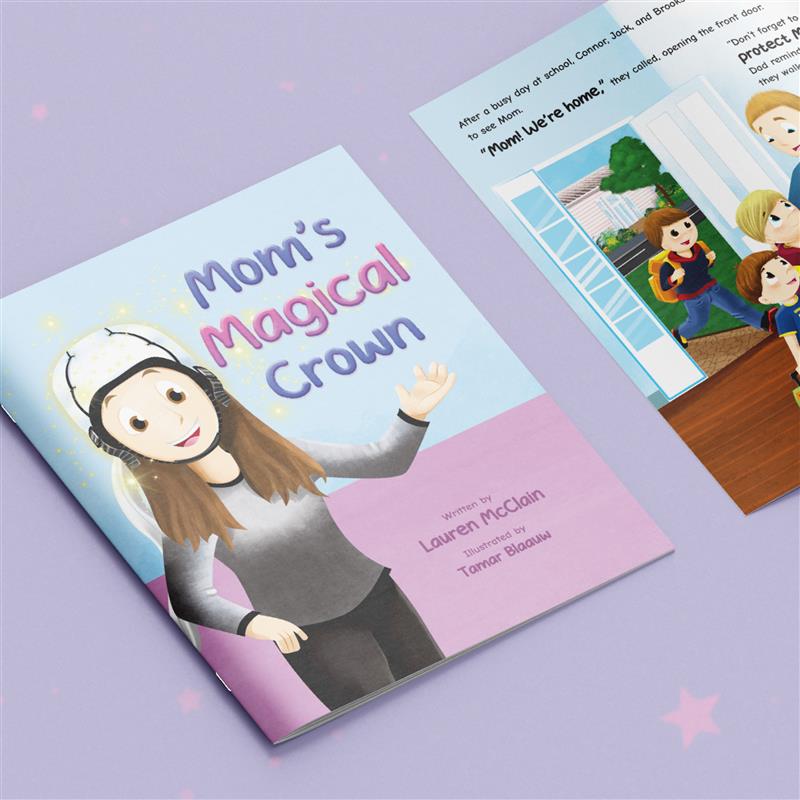
She describes the book as a resource that allows families to “have open discussions with their kids about what their mom is going to be going through”. She has since written ‘Brave Rays: A Journey Through Radiation Therapy” as well to provide further resources on cancer for children.
Support Programs
Charities like Kesem in the United States provide specialised programmes, including free summer camps and year-round activities, to support children affected by a parent’s cancer. Kesem creates safe spaces where children can share their feelings, connect with peers, and develop coping skills.
Adolescents often face a mix of personal and family challenges when a parent has cancer. They may need support to balance their own development with new responsibilities and emotional strain.
Counselling and Peer Support
Encourage adolescents to seek counselling or join peer support groups, such as those offered by cancer organisations. These platforms provide a space to express feelings and connect with others in similar situations.
Kesem for Teens
Kesem’s teen-specific programmes offer resources and peer connections tailored to the challenges faced by adolescents. These initiatives help teens navigate the emotional complexities of a parent’s cancer while building confidence and resilience.
Inclusion in Family Conversations
Adolescents benefit from being included in open, age-appropriate discussions about their parent’s illness. Acknowledging their concerns can reduce feelings of isolation and build trust.
Given the difficulty that adult children may face with balancing responsibilities, providing support that acknowledges their dual roles is essential.
Caregiver Resources and Support
Resources and local support groups, such as the American Cancer Society offer practical advice and a community of peers who understand the emotional and logistical challenges of caregiving.
Respite Care
Services such as Macmillan and ARCH National Respite Network can provide temporary care of the parent with cancer, allowing the adult child time for respite from their caregiving duties. Taking breaks prevents burnout, supports their wellbeing and allows them to be more effective caregivers.
Family Therapy
Family counselling provides a platform for adult children and their parents to address emotional strain and psychosocial impact, improve communication, and navigate complex family dynamics together. It can help family members express their feelings more effectively and navigate difficult decisions about treatment.
Scalp cooling, a clinically proven method to retain hair during chemotherapy and encourage fast regrowth, is not a matter of vanity. For many patients, it is about preserving privacy, control, normality and their identity whilst dealing with one of the most challenging situations there is. Some patients choose to scalp cool to mitigate the visual side effect of hair loss, which acts as a constant reminder of cancer and a potential trigger for emotional distress.
A scalp cooling patient, Audrey from Virigina, USA, told Paxman how her children were grateful that she didn’t look sick during her chemotherapy. Her daughter, Naomi, said “the cold cap was a blessing because I could not view my mom as sick because she kept her hair.”
Patty, also from the United States, spoke with Paxman to explain that her motivation to scalp cool was to look healthy and therefore limit the impact on her daughters. They were concerned for her health and wellbeing and wanted to care for her instead of leaving to attend prestigious colleges. Keeping her hair reassured her children and while still a difficult time for the family, they proceeded to continue their studies at a college they had worked so hard to secure a place for.
Research-tested interventions show that strong family support improves psychological and sleep disturbances, a caregivers' physical health, immune function, financial well-being and overall quality of life.iii When the psychosocial ripple effects of cancer are addressed, including an assessment to identify the main caregivers with referral to supportive interventions and organisations, it creates significant benefits for both the patient and their family.
While potentially not directly engaging in these supportive actions, clinical staff have the opportunity to initiate the mitigation of the devastating impact from cancer and treatment on the family. Simply by signposting to resources like Mom's Magical Crown for young children, organisations like Kesem, or offering scalp cooling, they can help make a significant difference in helping families navigate this challenging journey and let them know they’re not alone.
Paxman’s continually growing resource page for cancer patients provides information on the above resources and more. All resources are external and may prove useful regardless of whether you have chosen to scalp cool.


